Sixty Billion Naira and the Half-Cent Question
Nigerian artists pulled record royalties off Spotify in 2025. But the maths underneath the milestone tells a stranger story about who Afrobeats is really being made for.
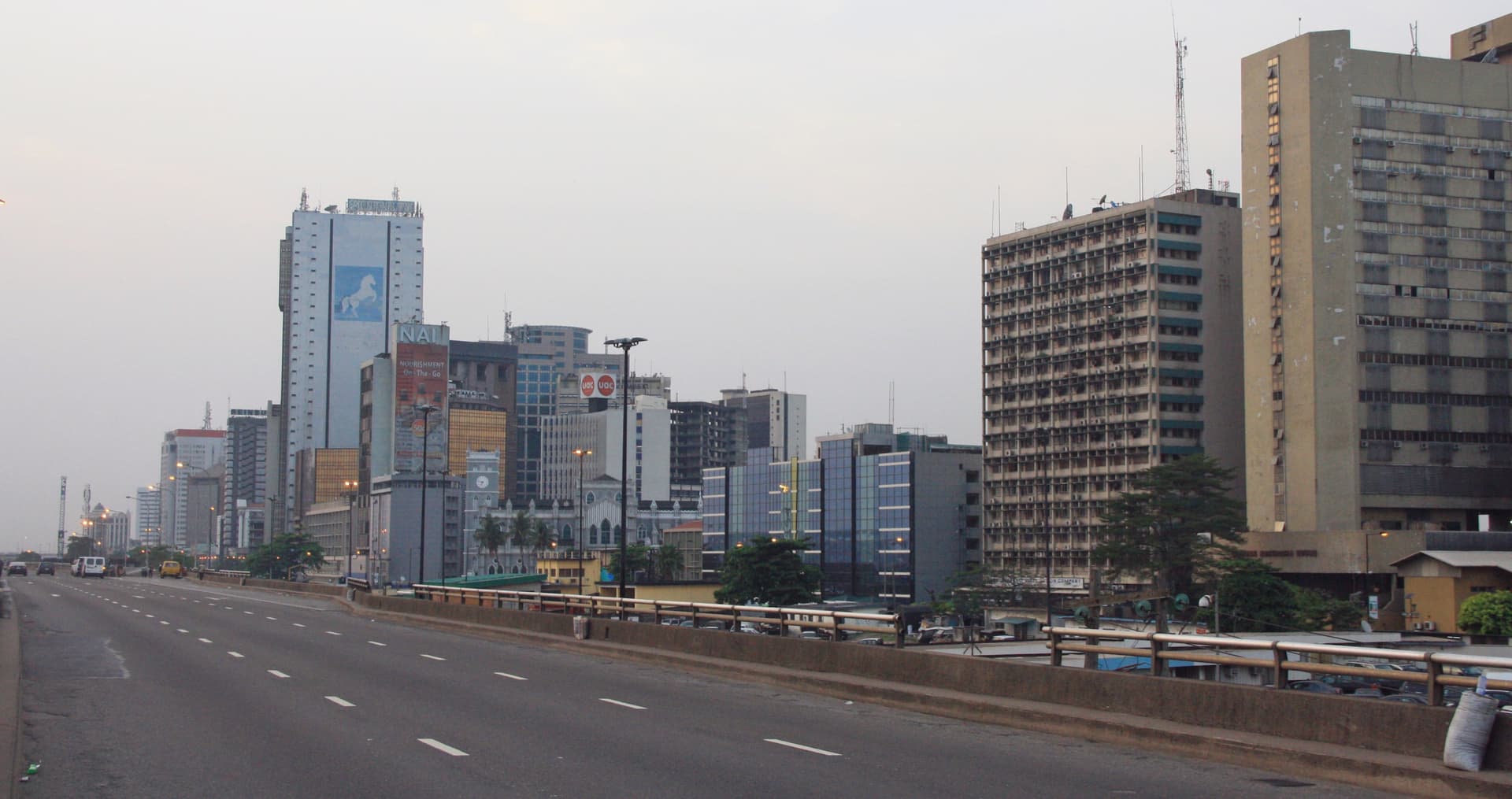
There is a number doing the rounds in Lagos studios this spring, and it has the satisfying heft of a headline: sixty billion naira. That is what Nigerian artists earned from Spotify across 2025, according to the platform's annual Loud & Clear accounting. It arrived alongside a confetti-burst of supporting figures. Thirty-three billion streams. More than a billion and a half hours of listening. Nearly two thousand Nigerian acts ushered onto editorial playlists. For a sound that two decades ago lived mostly on burned CDs and Alaba market bootlegs, the symbolism is hard to overstate.
Spend an afternoon with the engineers and managers who actually move this music, though, and the conversation curdles into arithmetic. Because the same report that crowns Afrobeats as a streaming juggernaut also quietly maps a fault line running straight through the genre's home market.
The geography of a stream
A stream is not a stream is not a stream. The dirty secret of the global music economy is that what a play is worth depends almost entirely on where the listener is sitting and what they pay for the privilege. A premium subscriber in Brooklyn and a free-tier listener in Surulere can press play on the same Burna Boy track and generate wildly different sums for the people who made it. The rate floats on a pool of subscription revenue, and the size of that pool tracks local pricing power.
Industry estimates put a Nigerian stream in the neighbourhood of a tenth of a cent, meaning a million domestic plays might clear a few hundred dollars. The same million plays routed through American and European subscribers can return several thousand. The reason is not malice; it is Spotify's pricing ladder. A Nigerian premium plan costs a fraction of its US equivalent, and a thinner subscription pool means thinner per-stream payouts, no matter how feverishly the country listens.
So a peculiar incentive structure emerges. The most lucrative Afrobeats listener is, increasingly, not Nigerian at all.
Local love, foreign money
And yet 2025 was, by the numbers, a year of ferocious homegrown listening. Loud & Clear logged a 170 percent jump in domestic consumption, with Nigerian artists holding more than 80 percent of the slots on the country's Daily Top 50. The audience at home has never been more loyal or more numerous. The catch is that this loyalty, valuable as it is culturally, converts into comparatively little hard currency.
This is the tension that quietly shapes careers. An artist chasing royalties is nudged, gently and relentlessly, toward sounds and collaborations that travel well in high-paying markets. An artist who wants to soundtrack a Lagos owambe is, in revenue terms, leaving money on the table. The sound of the city and the sound of the cheque are drifting apart, and the better the analytics get, the more visible that gap becomes.
The quiet rise of the independents
There is a genuinely bright thread in the data, though, and it belongs to the people without label deals. Independent artists and labels generated 58 percent of all royalties earned by Nigerian acts on Spotify in 2025, and local streams of indie artists grew 75 percent year on year. Female artists posted a 55 percent local growth rate of their own. The gatekeepers, in other words, are losing their grip.
The economics of going it alone are stark in the artist's favour. A newcomer signed to a major on a conventional deal might see a sliver of streaming income after the label's cut and recoupment claw back the advance. An independent distributing through a service that takes a flat fee keeps the overwhelming majority of every payout. When the per-stream rate is already brutal, that difference is not a luxury. It is survival.
It also reframes the sixty-billion-naira headline. The milestone is less a story about Spotify's generosity than about a generation of Lagos artists who stopped waiting to be discovered, learned the back end of the business, and started keeping more of the little there is to keep.
None of this is an argument against celebrating. A sound born in Nigerian bedrooms is now a permanent fixture on the global charts, and the money, however unevenly distributed, is real. But the next chapter of Afrobeats will be written by whoever solves the half-cent question: how do you build a sustainable career on the love of an audience whose every play is worth a fraction of a stranger's? Lagos is listening. The trick is getting paid for it.
Sources & further reading
- Afrobeats Boom: Nigerian Artists Earn ₦60BN on Spotify in 2025 — Mp3Bullet
- Music Distribution Across Africa: The Complete 2026 Guide for Indie Artists & Labels — Interspace Music
- Spotify Says Afrobeats Streams Are Up 400%: What the Data Doesn't Tell You — The Creative Brief
This is original Gr!dline analysis. Specific facts are attributed to the reporting above.
Related stories
Nigerian Artists Made ₦58 Billion on Spotify. Most of the Deal Went Abroad.
By The Gridline
From Whot to the World Stage
By The Gridline
Showmax Is Dead. Nollywood Is Not Waiting Around.
By The Gridline