The Currency the State Built and the Market Ignored
Nigeria's central bank digital currency was meant to be the future of money. Four years on, it is being quietly repositioned — while a privately issued stablecoin few people voted for grows on its own. The eNaira's decline is a lesson in who actually decides what money becomes.

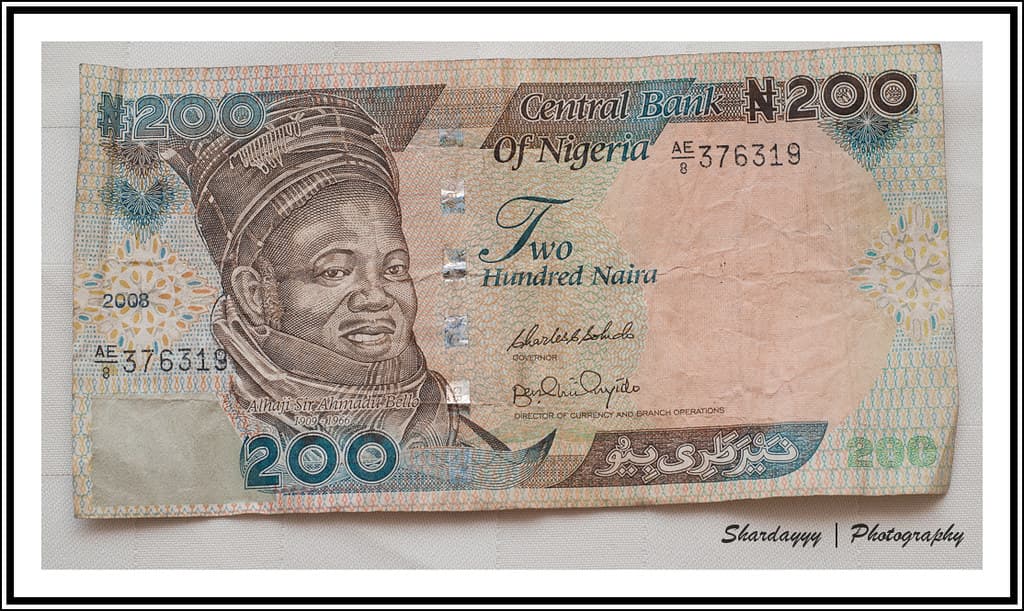
When the Central Bank of Nigeria launched the eNaira in October 2021, it did so with the confidence of an institution that believed it had read the future correctly. Nigeria became the first African country, and one of the first anywhere, to issue a retail central bank digital currency. The pitch was clean: a sovereign digital currency would deepen financial inclusion, cut the cost of cash, and give the state a modern rail for delivering money to its citizens. It was money designed from the top down, by people who design money for a living.
Nearly five years later, the most telling fact about the eNaira is how rarely anyone uses it. By mid-2026 the central bank is openly describing its work on the currency as a "repositioning" — the kind of word institutions reach for when a flagship project has not gone to plan. The numbers, reported across Nigerian financial coverage including Nairametrics and TechCabal and best treated as estimates, are stark: roughly 13 million wallets created, but on the order of 98.5 percent of them never used after opening. By some accounts the eNaira has accounted for a fraction of a percent — around 0.36 percent — of the currency in circulation.
Sources & further reading
- eNaira adoption: wallets, usage and the CBN's repositioning — Nairametrics
- Nigeria's CBDC and the rise of stablecoins like cNGN — TechCabal
This is original Gr!dline analysis. Specific facts are attributed to the reporting above.
Related stories
The Central Bank Draws a Line Through Nigeria's Biggest Fintechs
By The Gridline

The Tariff Hike That Paid for Itself
By The Gridline
Ghana Lost the Internet for a Day. It Won't Be the Last Cable Cut.
By The Gridline