Your Next Customer Is a Robot
AI agents are about to start spending money on their own. Africa's payment rails were built for humans with phones and PINs — and that mismatch is the next great fintech opportunity.

Picture the African customer of 2030. It does not have a thumbprint, a phone or the patience to enter a one-time password sent by SMS. It is software, an AI agent dispatched by a human to book a flight, restock a kiosk, renew a subscription or negotiate a delivery, and it expects to pay for what it transacts. As a recent argument in Technext24 put it bluntly, Africa's next digital customer may be an AI agent, and the continent needs a way to charge it. The provocation is worth taking literally.
We are sliding from a world where humans use software into one where software acts on our behalf. An agent can compare prices, fill carts and complete checkouts without a person hovering over each click. The moment it reaches for the 'pay' button, though, it collides with infrastructure designed for an entirely different actor. Almost every payment system on earth was built on the assumption that a human is present at the point of sale: present to read a screen, present to approve, present to be blamed.
Sources & further reading
This is original Gr!dline analysis. Specific facts are attributed to the reporting above.
Related stories
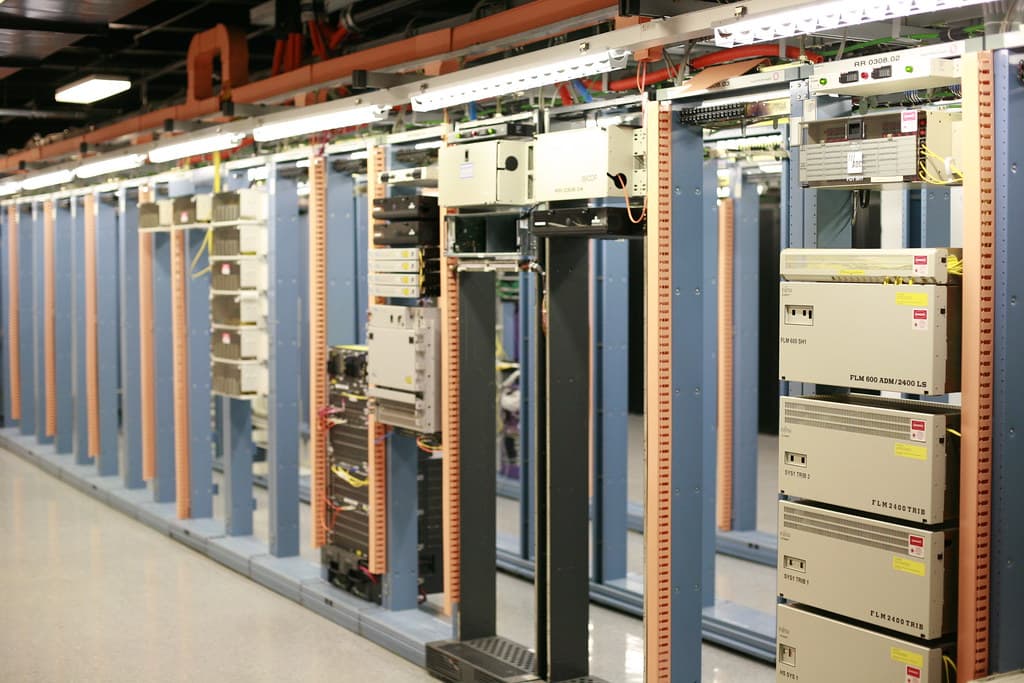
The Billion-Dollar Data Centre That Kenya's Grid Couldn't Promise
By The Gridline

Nigeria Wants a Sovereign AI. Its R&D Budget Tells a Different Story.
By The Gridline

The Patient Money Arrives
By The Gridline