The Reckoning: What Africa's Tech Layoffs Taught the Survivors
Three years of cuts, collapses and one 700-person shutdown have reshaped how African startups think about growth. The companies still standing are betting that lean is no longer a setback but a strategy.

In January 2026, one of East Africa's most ambitious clean-energy companies switched off. KOKO Networks, the Nairobi-based clean-cooking firm that had spent years building a network of fuel dispensers across Kenyan neighbourhoods, shut down entirely and let go of its roughly 700-person workforce, according to TechCabal Insights. It was not a story of founder fraud or vanished customers. KOKO had served around 1.5 million households. It was felled by something more sobering: a regulatory door that closed at exactly the wrong moment.
The mechanics matter, because they are a warning. KOKO's economics leaned on selling carbon credits internationally to subsidise affordable cooking fuel at home. Under Kenya's new carbon-market rules, doing so required a government Letter of Authorisation — and the government, citing concerns about monopoly risk and the integrity of carbon accounting, declined to issue it. Without the credits, the subsidy collapsed; without the subsidy, the model collapsed. A company that had reached more than a million homes was undone not by the market but by a stroke of policy.
Sources & further reading
- Inside Africa's Tech Layoffs: What the Data Says (2023–2026) — TechCabal Insights
- 12 African Startups and Tech Companies That Cut Workforce in 2025 — TechCabal
- Tech Layoffs: These Nigerian Startups Have Sacked Workers in 2026 — Nairametrics
This is original Gr!dline analysis. Specific facts are attributed to the reporting above.
Related stories

Fewer, Bigger, Later: The Shape of Africa's 2026 Funding Recovery
By The Gridline

The Twenty-Two-Year-Olds Building Nigeria's Drones
By The Gridline
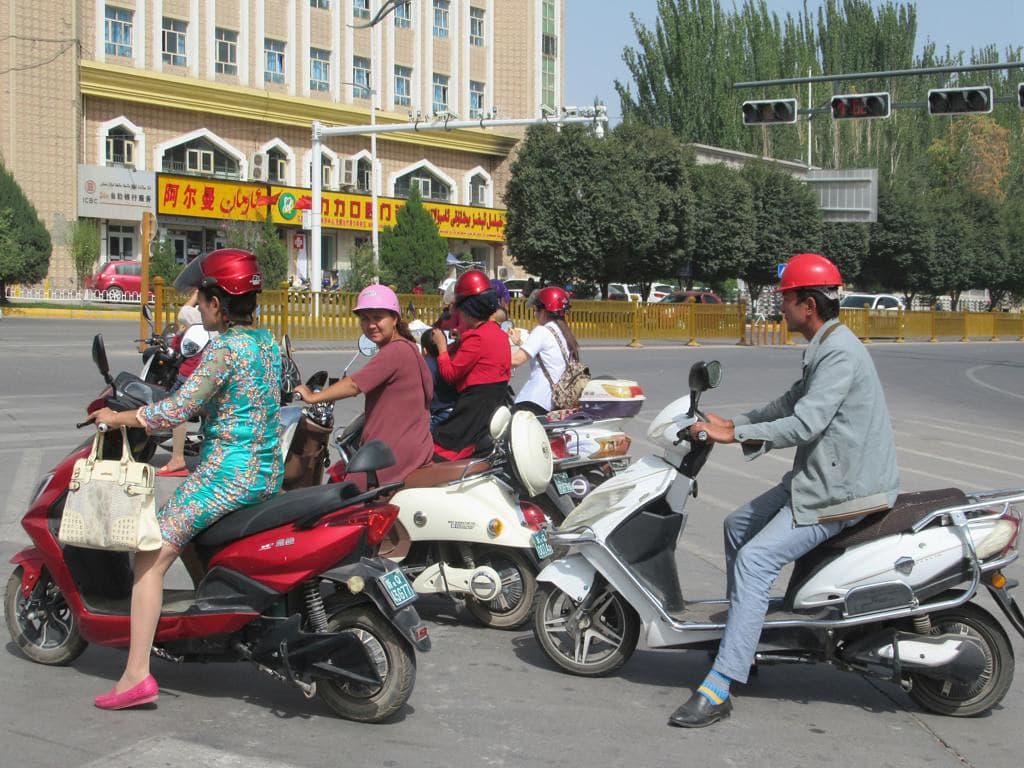
Africa's Biggest Deal of the Year Runs on Two Wheels
By The Gridline